
How to Oil a Cutting Board (and Why It Feels So Good)
The psychology of caring for things, slowing down, and finding calm through simple rituals.
How do you oil a hardwood cutting board?
Start with a clean, completely dry board. Apply food-safe mineral oil to both faces and every edge, let it absorb, and wipe away the excess. At Koshur Chaan, our boards are finished with food-safe mineral oil and board butter only.
- Clean and dry. If the board needs washing, hand-wash it with warm water and mild dish soap, rinse, and towel dry. Let air reach both faces until the board is fully dry. Do not soak it or put it in the dishwasher.
- Oil every surface. Use a clean, lint-free cloth to spread food-safe mineral oil over the top, bottom, edges, and any juice groove. Work over a protected surface.
- Let the oil absorb. Leave it for at least 30 minutes; overnight gives the wood more time to absorb the oil. If a patch absorbs the oil quickly and still looks dry, apply a little more.
- Wipe and buff. Remove any oil left on the surface with a clean cloth. The board should feel smooth, with no greasy residue.
- Use board butter if desired. Follow the product directions for a light application of food-safe mineral-oil-and-beeswax board butter, then buff away the excess.
How often should you oil a cutting board?
Check it about once a month and oil it when the surface looks dry or pale or begins to feel rough. Frequent washing and dry indoor air can mean it needs attention sooner. Our board care guide explains the studio’s care routine in more detail.
Which oil should you use?
Choose mineral oil specifically labeled food-safe for cutting boards. Olive oil and other cooking oils are not the finish we recommend; do not substitute furniture polish or a varnish. Simple, regular care is enough.
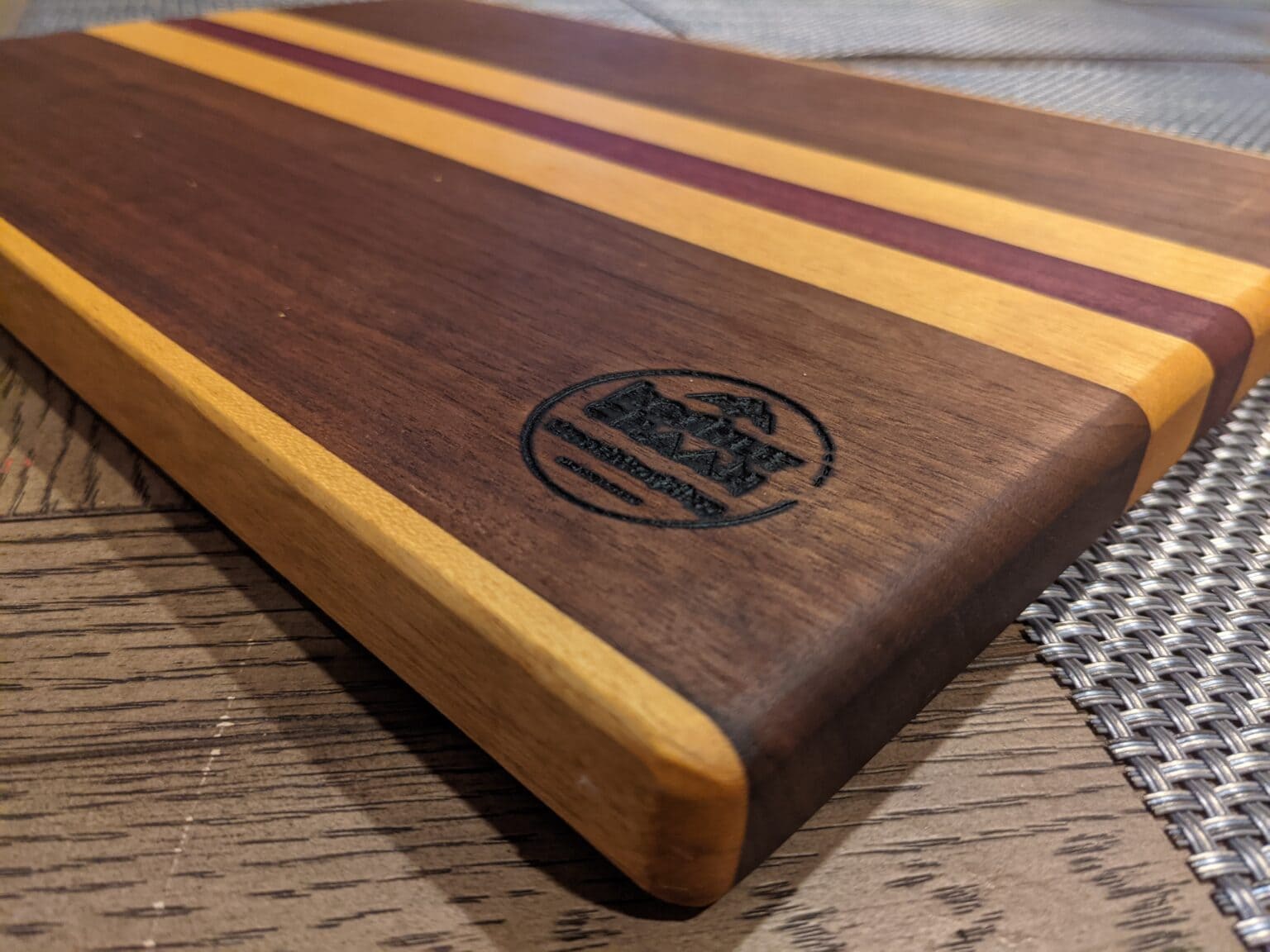
There is a moment that many people recognize but rarely stop to think about.
Dinner is finished. The dishes are done. The kitchen is finally quiet.
The cutting board that helped prepare the meal sits clean and dry on the counter. You reach for a bottle of food-safe oil, apply a small amount, and begin rubbing it into the wood.
Almost immediately, something changes.
The grain deepens. The colors become richer. What appeared dull and tired moments ago suddenly looks vibrant and alive.
It is a simple task that takes only a few minutes. Yet for many people, it feels surprisingly satisfying.
The Satisfaction of Restoration
Human beings are naturally drawn to transformation.
We enjoy restoring old furniture, admiring before-and-after photographs, and bringing neglected things back to life.
When you oil a hardwood cutting board, you witness a transformation in real time.
The wood immediately responds to your effort.
Dry areas regain depth. Colors become richer. Grain patterns emerge with renewed clarity.
Unlike many modern tasks that feel endless or disconnected from a visible outcome, caring for a board provides instant feedback.
You can see the results. You can feel them. You can appreciate them.
The activity itself is simple. The pause is what matters.
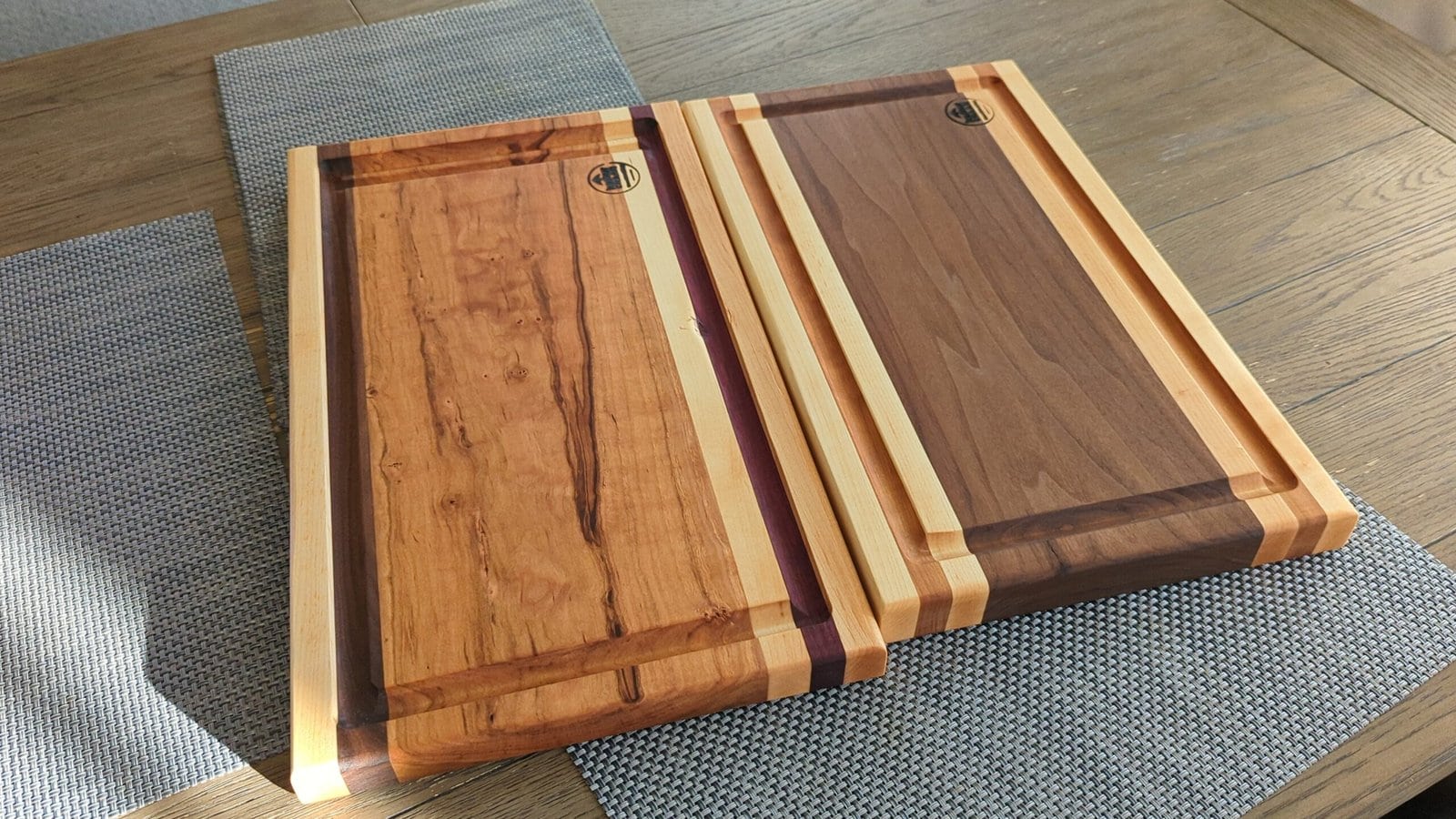
Why Natural Materials Feel Different
Wood occupies a special place in the human experience.
Unlike plastic, laminate, or synthetic materials, wood carries natural variation.
Every grain pattern is unique. Every board contains subtle differences in texture, color, and character.
Researchers studying environmental psychology have found that people often respond positively to natural materials because they help create a stronger connection to nature within the home.
A handcrafted walnut board does not simply serve a function. It also provides warmth, texture, character, and a sense of authenticity.
These qualities may help explain why so many people are drawn to natural wood in kitchens, furniture, and living spaces.
If you enjoy natural materials, explore our handcrafted hardwood cutting boards.
Small Rituals Matter
Modern life is full of interruptions.
Phones vibrate. Emails arrive. Schedules fill up.
Many people move through the day without a clear transition between one activity and the next.
Small rituals help create those transitions.
Making coffee in the morning. Watering a plant. Taking an evening walk. Oiling a cutting board.
The activity itself is simple. The pause is what matters.
For a few moments, your attention is focused on a single task.
No notifications. No deadlines. No multitasking.
Just a quiet interaction between your hands and the object in front of you.
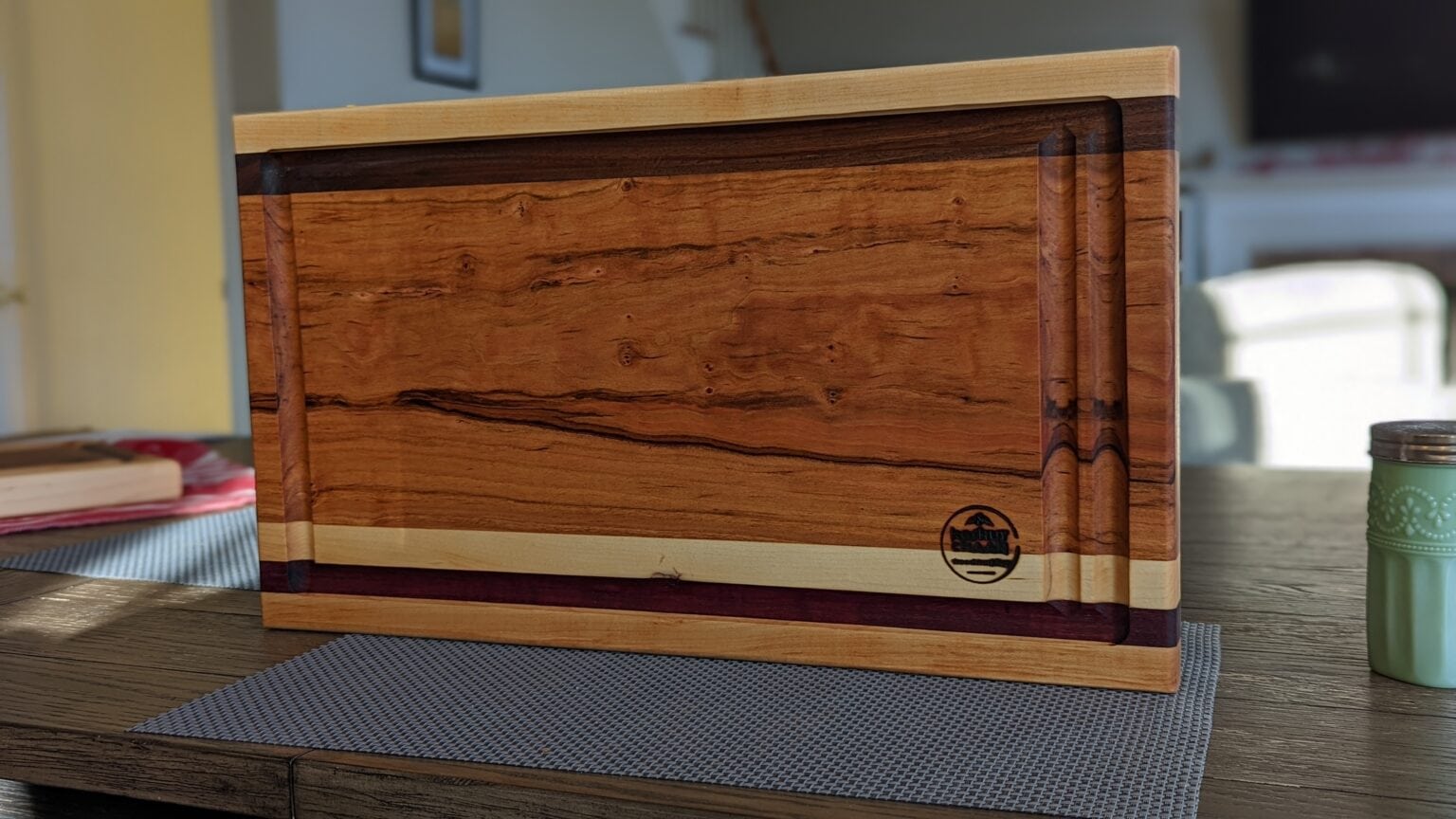
The Forgotten Art of Caring for Things
Many products today are designed to be disposable.
When something wears out, it is replaced. When something breaks, it is discarded.
A hardwood cutting board encourages a different mindset.
It asks for occasional care. Not much. Just enough.
A little attention. A little maintenance. A few minutes every month.
In return, it may remain useful and beautiful for many years.
For practical care tips, visit our Board Care Guide.
Beauty as Part of Everyday Wellness
When people think about wellness, they often focus on nutrition, exercise, or sleep.
Those things matter. But our surroundings matter too.
The objects we interact with every day influence how our homes feel.
A favorite coffee mug. A comfortable chair. A handcrafted cutting board. A soft scarf draped nearby.
Beautiful, useful objects have a way of making ordinary moments feel more meaningful.
Not because they are expensive. Not because they are perfect. But because they add warmth, texture, and character to daily life.
Learn more about our craftsmanship philosophy.
Final thoughts on oiling a cutting board
Perhaps the satisfaction of oiling a cutting board has very little to do with maintenance. Still, care pays off: a 1994 study by Ak, Cliver and Kaspar found that clean, well-kept wooden boards are no less sanitary than plastic.
Perhaps it is about slowing down. About restoration. About caring for something made from a natural material that was crafted to last.
In a world that often encourages speed and convenience, there is quiet value in preserving something beautiful.
A few drops of oil. A few minutes of attention. A simple ritual.
And a reminder that not everything worthwhile needs to happen quickly.
Ready to Create
Something Unique?
Every kitchen, home, and gift has a story. Let’s create a handcrafted hardwood cutting board designed specifically for you, built from premium hardwoods and made to be enjoyed for years to come.
Design Your Custom Board