
Why Humans Love Natural Wood: The Science Behind Our Connection to Nature
By Ishtyaq Qadri (Wosta), maker and founder of Koshur Chaan Woodworking LLC. This essay explores why humans love natural wood, from biology to craft.
From ancient shelters to modern kitchens, wood has accompanied humanity for thousands of years. Long before synthetic materials filled our homes, people relied on wood for comfort, protection, beauty, and daily life. Even today, in a world dominated by technology and manufactured products, many of us remain instinctively drawn to natural wood.
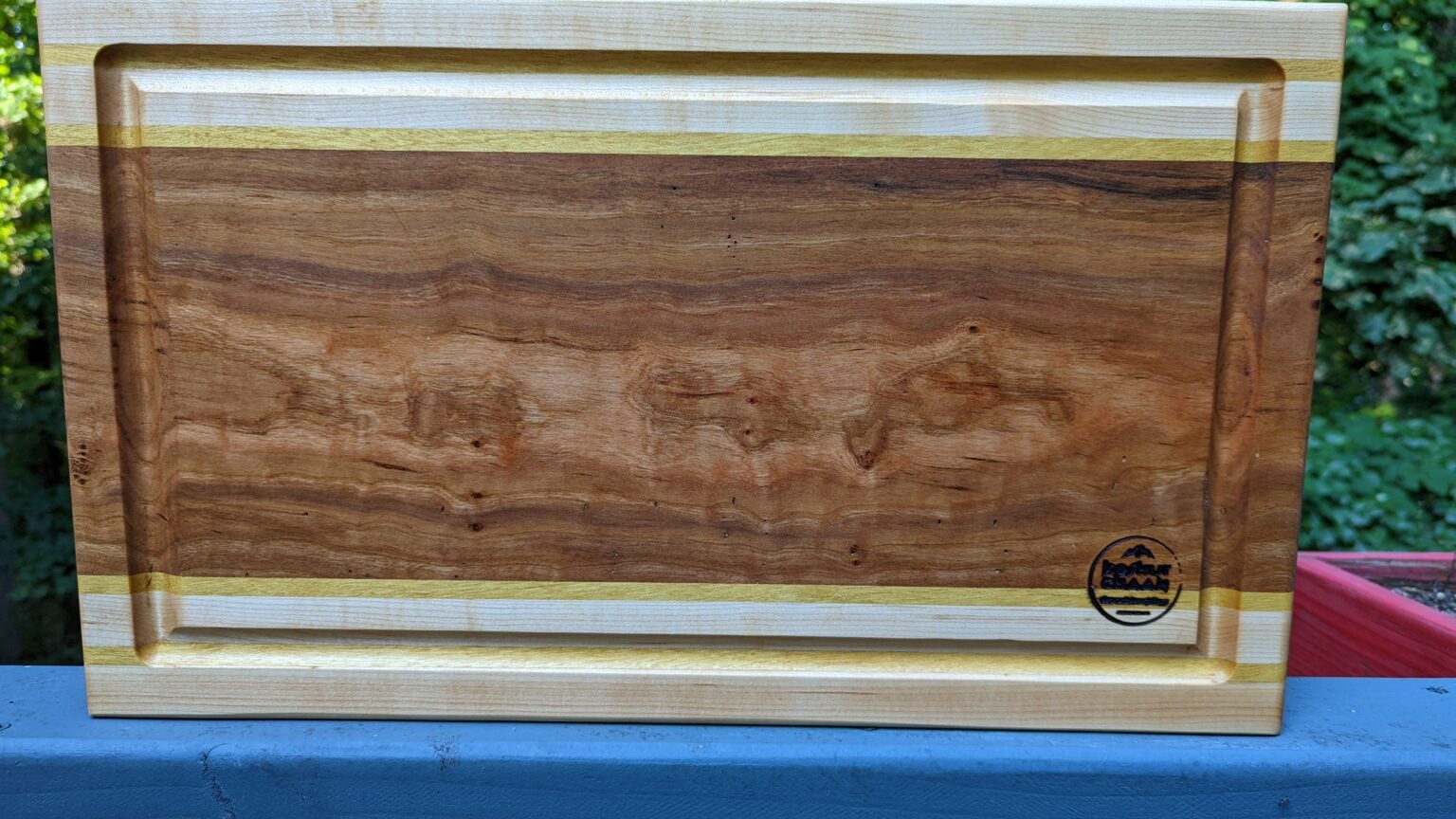
Walk into a room filled with glass, metal, and plastic.
Then step into a room filled with warm hardwood furniture, natural textures, and handcrafted wooden objects.
Most people immediately feel a difference.
The second space often feels calmer, warmer, and more welcoming.
There is research into how people respond to wood, although its findings should be read with care. Our everyday attraction to a board can also be simpler: the grain, the feel of its surface, and the pleasure of using something made by hand.
Our Connection to Nature Runs Deep
For nearly all of human history, people lived closely connected to the natural world.
Homes were built from wood and stone. Furniture was crafted by hand. Everyday objects carried the textures, colors, and imperfections of nature.
Modern life has changed dramatically, yet our minds continue to respond positively to natural environments.
For us, this connection is part of wood’s appeal: it keeps a visible trace of the natural world in an everyday object.
Natural wood reminds us, consciously or unconsciously, of forests, landscapes, and environments that shaped human life for generations.
The Beauty of Imperfection
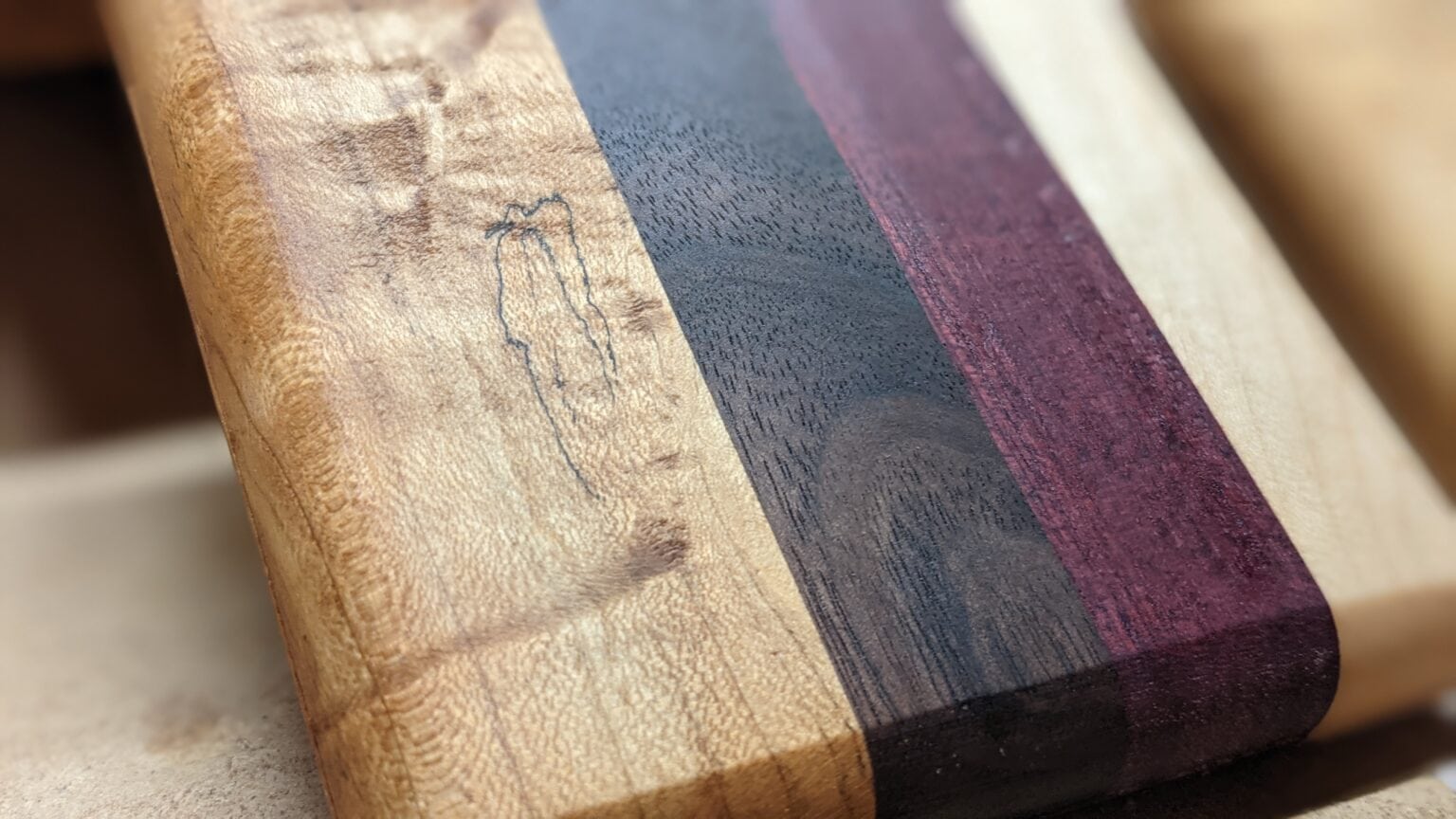
Unlike factory-produced materials, wood is never perfectly uniform.
Every grain pattern is unique. Every board contains subtle variations in color, texture, and character.
A knot, a curl in the grain, or a shift in tone tells part of the story of a living tree.
These imperfections create authenticity.
In a world increasingly filled with identical products, people often find comfort in objects that feel genuine and one of a kind.
No two handcrafted cutting boards are exactly alike. That uniqueness is part of what makes them meaningful.
Wood Engages More Than Our Eyes
The appeal of wood extends beyond appearance.
Natural wood engages multiple senses at once. It reflects light differently than synthetic materials. It feels warmer than metal. It carries texture and depth that manufactured surfaces often lack.
Even the visual complexity of wood grain can create a sense of richness and interest that encourages us to slow down and pay attention.
Many people describe wooden objects as feeling alive because they continue to evolve and develop character over time.
The Rise of Biophilic Design
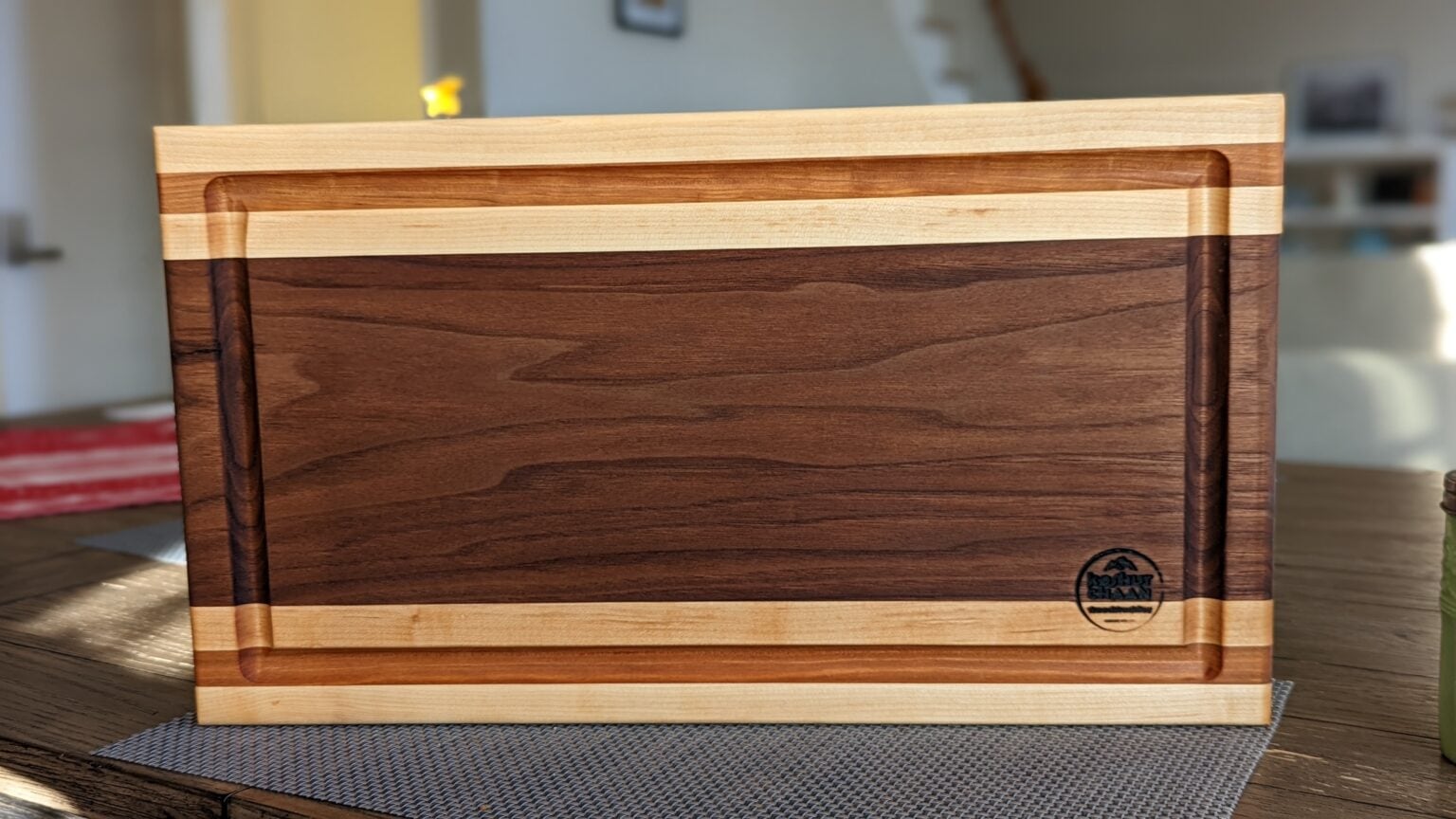
A growing design philosophy known as biophilic design focuses on bringing elements of nature into built environments.
A 2019 experiment by Nakamura, Ikei, and Miyazaki in the Journal of Wood Science compared short exposures to images of wooden walls and a gray wall. Participants rated the wooden-wall images as more comfortable, relaxed, and natural; some physiological responses also differed. This was a controlled visual experiment, not a test of cutting boards or a promise of health benefits. It offers a modest piece of evidence about our response to wood, rather than an explanation for every person’s experience.
Wood plays a central role in this approach because it offers a direct visual and tactile connection to the natural world.
Whether it appears in flooring, furniture, architectural details, or handcrafted kitchen tools, wood helps soften modern spaces and create a greater sense of comfort.
Craftsmanship Creates Connection
People are not only drawn to wood itself. They are also drawn to the craftsmanship behind it.
A handcrafted object reflects decisions, attention, and care invested by its maker.
The process of selecting wood, shaping it, sanding it, and finishing it creates a connection between material and craft.
That connection often becomes part of the object’s value.
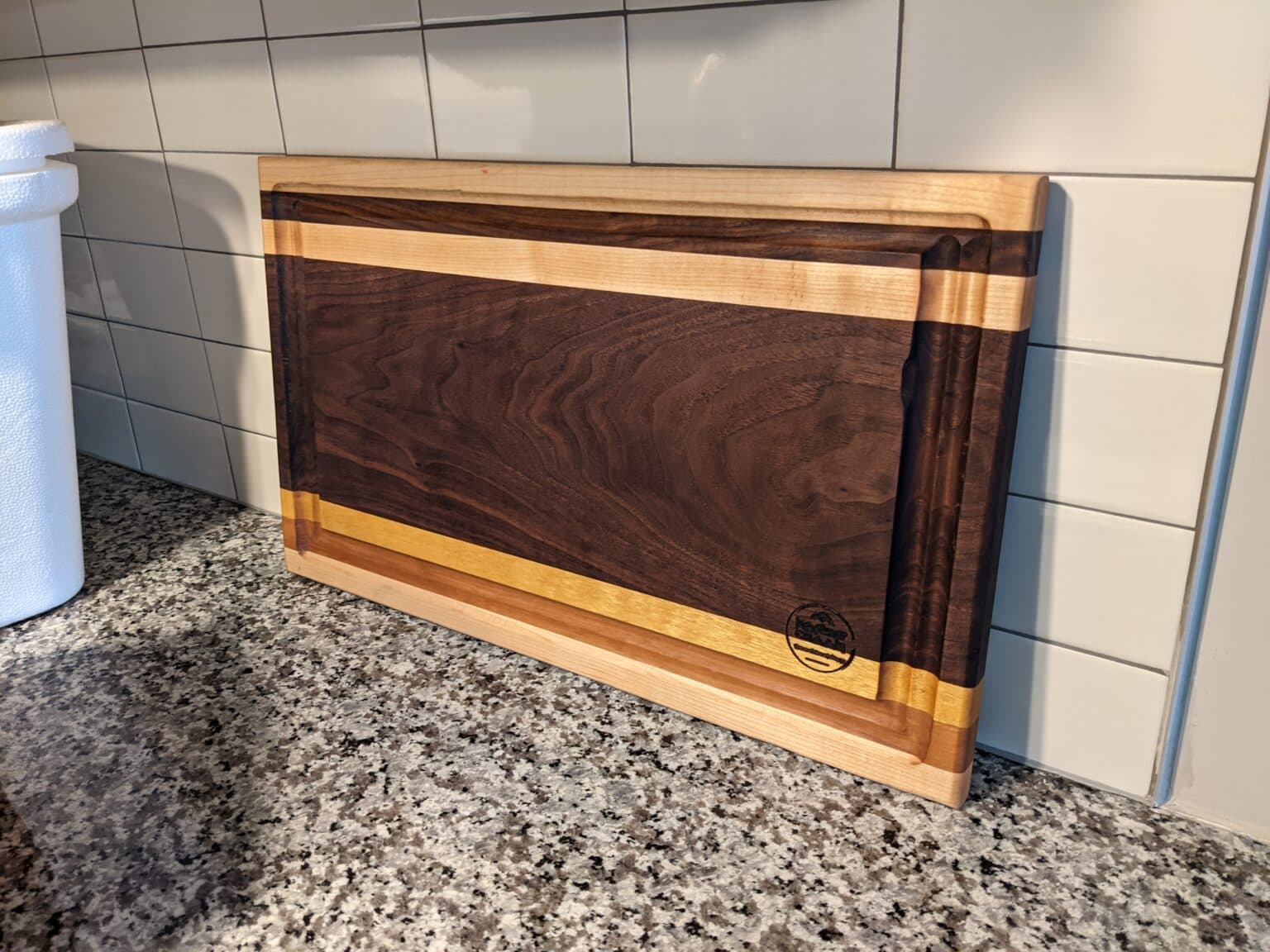
A handcrafted cutting board is more than a kitchen tool. It becomes part of family meals, celebrations, conversations, and everyday rituals.
Over time, those experiences become woven into the object itself.
Why Humans Love Natural Wood Today
In an age of convenience and disposable products, natural wood offers something different.
It invites us to notice details.
It rewards care and maintenance.
It ages gracefully.
And it reminds us that beauty often comes from authenticity rather than perfection.
Perhaps our attraction to wood is ultimately an attraction to something deeper: a desire for connection, simplicity, and a closer relationship with the natural world.
Surrounding ourselves with thoughtful, well-made objects may not change everything, but it can transform the atmosphere of our homes and the quality of our everyday experiences.
If you enjoyed this article, you may also enjoy reading Why Oiling a Cutting Board Feels So Good.
Ready to Create
Something Unique?
Every kitchen, home, and gift has a story. Let’s create a handcrafted hardwood cutting board designed specifically for you, built from premium hardwoods and made to be enjoyed for years to come.
Design Your Custom Board